
Current research foci in hominin macroevolution
Interspecific competition
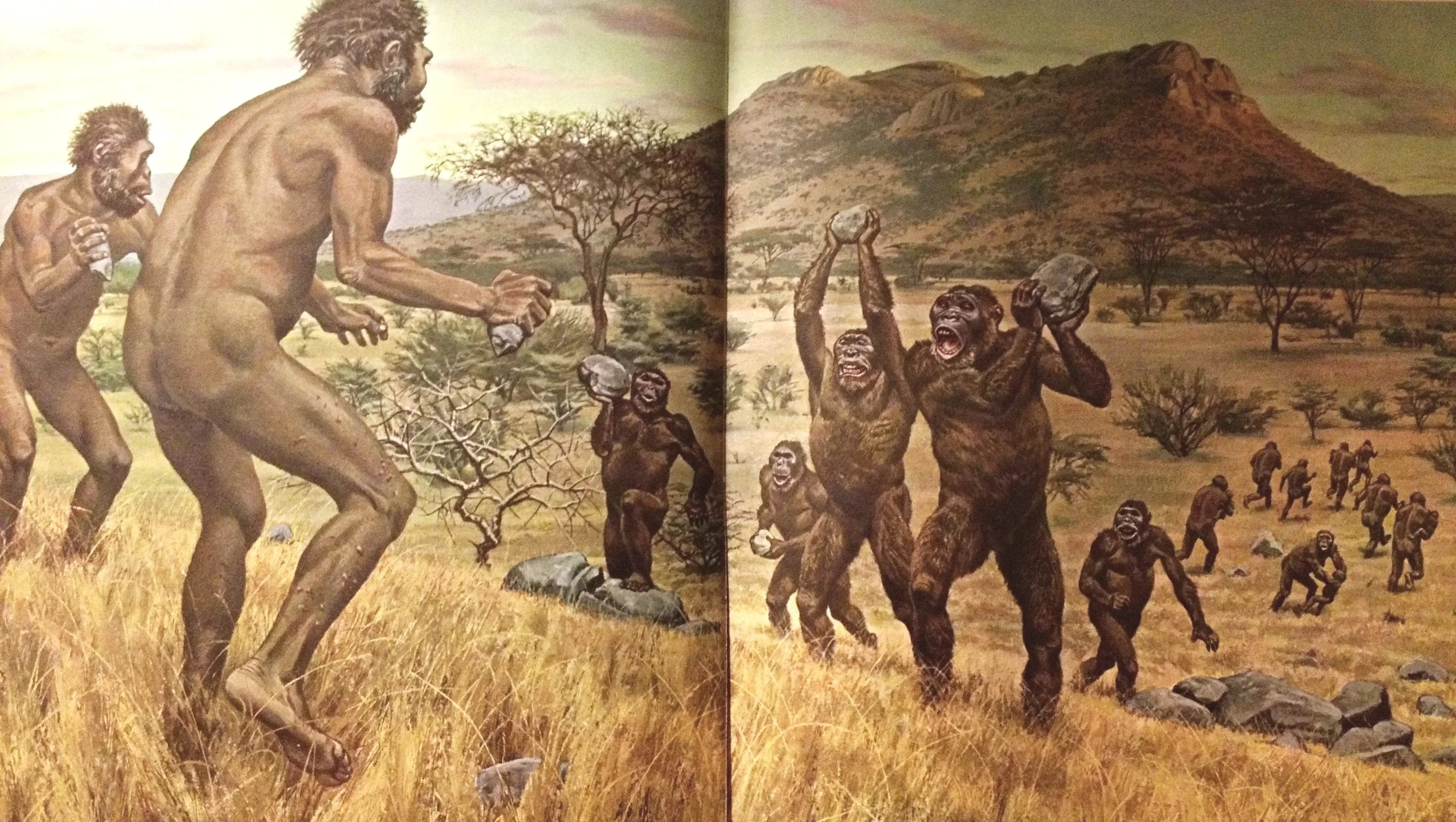
The explosion in the number of hominin species recognised raises an important and surprisingly understudied question: how did these species interact, and did these interactions affect hominin macroevolution? We employ diverse modelling approaches - e.g., Bayesian macroevolutionary modelling - to the hominin fossil and behavioural records to answer these questions.
Functional niche modelling
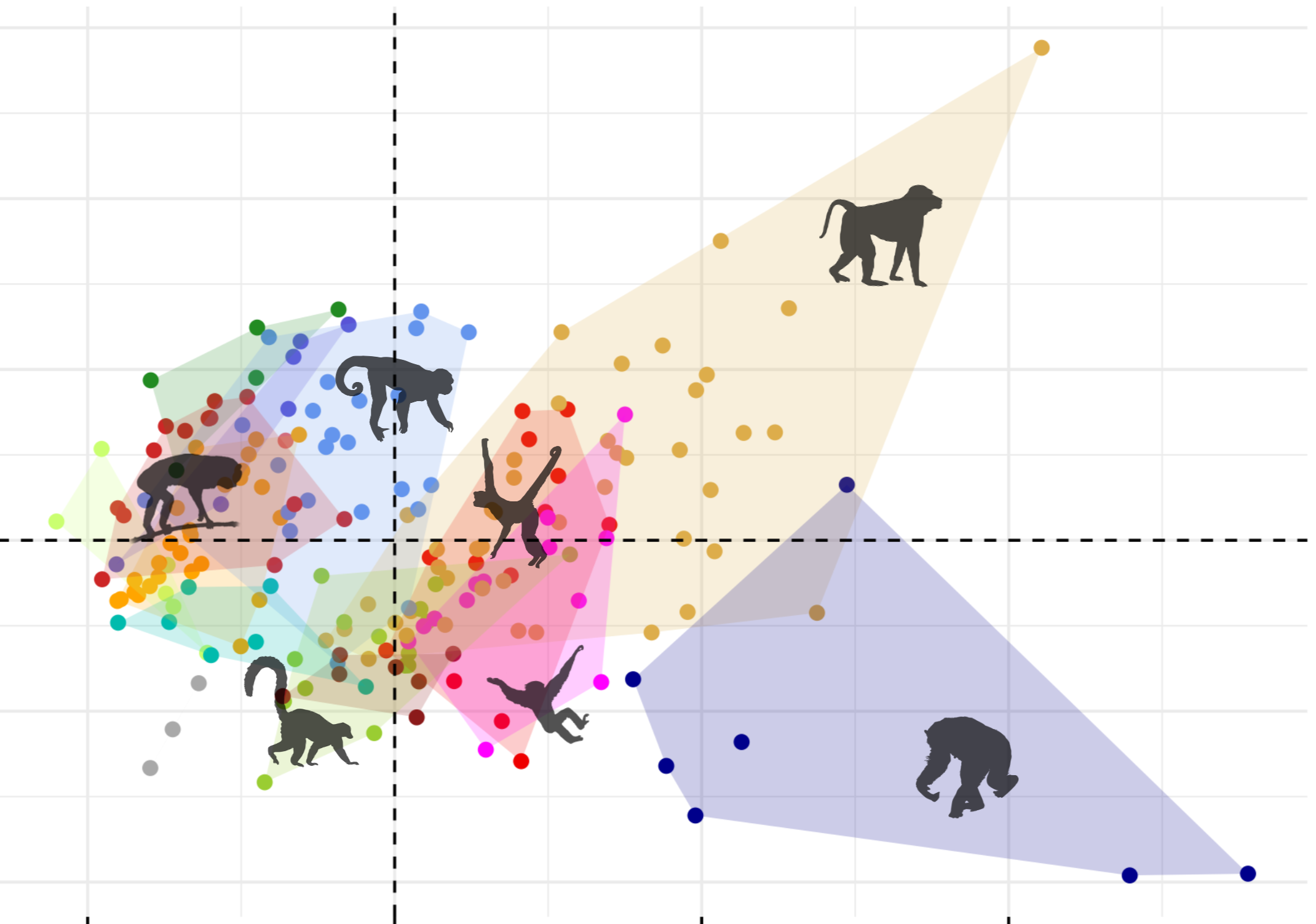
A ‘niche’ describes a species’ relationship to its environment. Competition for niches is a major driver of evolution in other lineages, but hominin niches have been notoriously difficult to characterize. We develop and apply quantitative approaches to modelling Plio-Pleistocene niches, with a particular focus on functional niches (what does the organism do in the environment?)
Taxonomy and systematics
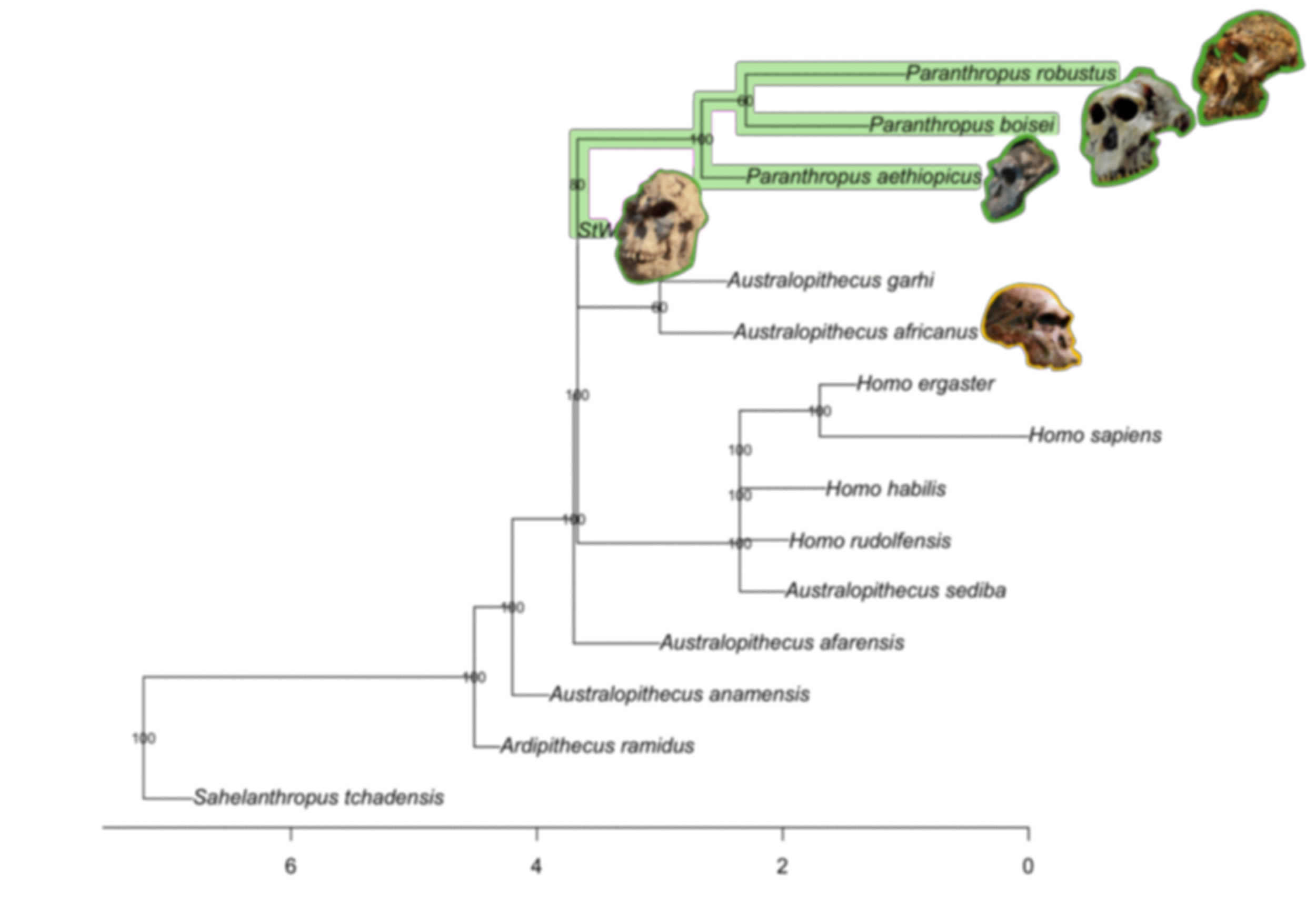
The explosion in the number of hominin species recognised raises another important and surprisingly understudied question: what are species anyway? We engage with this question in two principal ways: developing new conceptual models for hominin taxonomy, and inferring a new, mixed-evidence, hominin phylogeny.
Interested in a deeper dive? Here are some of our recent papers on hominin macroevolution: